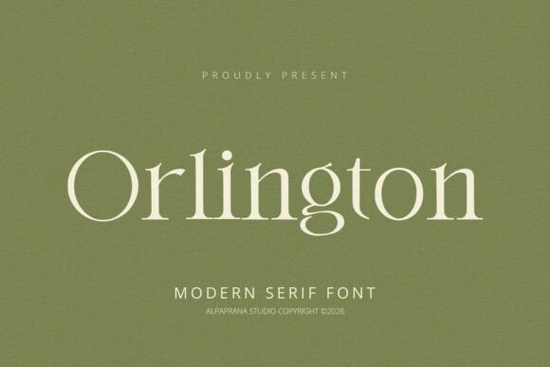
If you're looking for a serif font that feels both classic and fresh something that works just as well on a boutique clothing tag as it does on a book cover or wedding invitation then Orlington Font is worth your attention. It’s not overly ornate, but it carries quiet confidence: clean lines, balanced proportions, and subtle modern details in the serifs and letterforms. Designers and small business owners often tell us they reach for Orlington when they need a typeface that reads as thoughtful, trustworthy, and quietly distinctive without needing to explain itself.
What kinds of projects does Orlington work well for?
Because it’s a versatile serif with strong typographic foundations, Orlington fits naturally into real-world design tasks not just mockups. Think about:
- Branding for local cafés, artisan studios, or handmade goods shops
- Logo design where legibility matters at small sizes (like on shopping bags or embroidered patches)
- Book covers and magazine layouts especially lifestyle, poetry, or slow-living themes
- Photography overlays or gallery prints where text should complement, not compete
- Special event materials like wedding stationery or birthday invitations
It’s also a solid choice for print-on-demand sellers who want consistent, professional-looking typography across t-shirts, mugs, and tote bags no extra kerning tweaks needed for most standard uses.
What’s included and what does “modern serif” actually mean here?
The Orlington Font package includes OTF, TTF, and WOFF files, so it runs smoothly on Mac, PC, and web projects. You’ll get full uppercase and lowercase sets, numerals, punctuation, and multilingual accents enough to support English, Spanish, French, German, Swedish, and more without swapping fonts. There are also OpenType features like ligatures and stylistic alternates, which let you add subtle variation (like a swash capital “A” or connected “f-i” pair) where it makes sense not as decoration, but as intentional refinement.
“Modern serif” in this case means it avoids heavy contrast or dramatic flourishes. Instead, it leans into clarity and rhythm think less Didot, more a contemporary reinterpretation of Garamond or Caslon. That balance helps it hold up across mediums: crisp on screen, warm in print, and legible even at smaller point sizes.
How does it compare to other serif fonts on Creative Fabrica?
If you’ve used Twinklea, you’ll notice Orlington has less script influence and more structural consistency making it better for body text or logotypes where uniformity matters. Compared to Sugarland, which leans rustic and hand-drawn, Orlington feels more grounded and editorial. And while Munnes offers a tighter, almost monoline serif look, Orlington gives you gentle stroke contrast and more breathing room between letters ideal if you’re pairing it with a simple sans-serif for headings and body copy.
It’s also notably different from typewriter-style serifs like Office Typewritter. Orlington doesn’t aim for nostalgia or texture it aims for quiet reliability. That makes it especially useful when you’re designing for clients who value clarity over quirk.
Is it easy to install and use?
Yes. The files come in standard formats, and installation follows the same steps you’d use for any font on your system: double-click the OTF or TTF file and hit “Install.” No special software or license keys required. Once installed, it shows up in Photoshop, Illustrator, Canva (via upload), Affinity apps, and most desktop publishing tools. If you’re using it on a website, the included WOFF file works with standard @font-face declarations.
One practical note: because Orlington includes OpenType features, some apps (like older versions of Canva or basic word processors) won’t access ligatures or stylistic sets automatically but the default character set alone is fully functional and polished.
Where can you see it in action?
You’ll find real examples of Orlington Font used across Creative Fabrica project previews especially in branding kits, printable planners, and packaging templates. It’s also popular among designers sharing free mockups on platforms like Behance or Dribbble, often paired with soft neutral palettes and minimalist layouts.
Before downloading: Check your intended use case against the license. Orlington allows commercial use including POD, client work, and digital products as long as you’re not reselling the font files themselves. And if you ever have questions, the designer Alpaprana responds directly to messages, which makes troubleshooting or usage clarification straightforward.
Quick checklist before you start designing:
- ✅ Install the OTF file first it usually gives the best hinting and OpenType support
- ✅ Try pairing it with a neutral sans-serif (like Inter or Montserrat) for contrast in layouts
- ✅ Test how it looks printed at 10–12 pt especially if using for product tags or small packaging
- ✅ Enable ligatures in Illustrator or InDesign if you want refined “fi”, “fl”, or “ff” connections
- ✅ Keep an eye on line spacing its generous x-height means slightly tighter leading than expected often works well
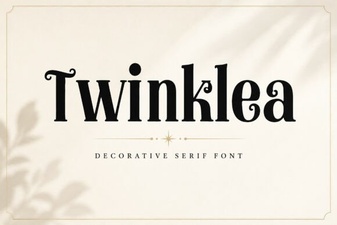 Twinklea Font: Creative Designs & Elegant Typography
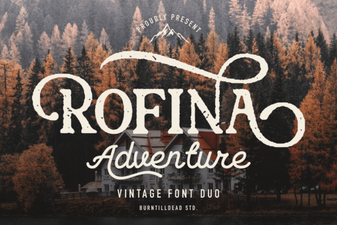 Rofina Font: Creative Typography for Modern Design
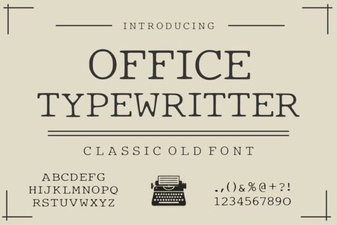 A Vintage Office Font for Modern Projects
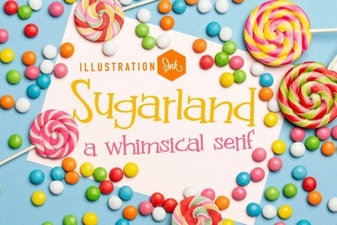 Sugarland Font: Free Download & Creative Uses
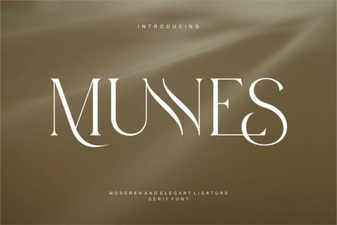 Munnes Font: Enhance Your Designs with Style
 American Spirit Fonts: Design Ideas and Examples