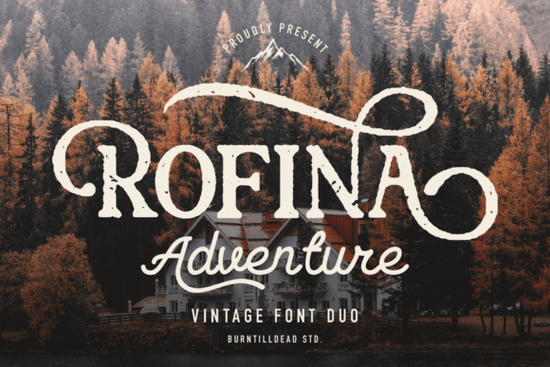
If you're looking for a serif font that pairs naturally with script without feeling fussy or overdesigned you’ll likely appreciate Rofina Font. It’s a thoughtfully balanced font duo: one part structured serif, one part soft, flowing script. Designed for real-world use not just display it works well for logos, wedding stationery, product labels, and social media graphics. What makes it especially handy is how little effort it takes to get great results: the contrast between the two styles feels intentional but never forced.
How does Rofina actually work in practice?
The serif half of Rofina has clean lines and confident proportions no excessive flourishes, no awkward joins. It reads clearly even at small sizes, which matters if you’re designing packaging or business cards. The script, meanwhile, isn’t overly cursive or hard to decipher. It flows smoothly, with gentle connections and open letterforms. Together, they create visual rhythm: the serif grounds the layout, the script adds warmth and personality.
This balance makes Rofina a solid choice for small businesses building a consistent brand voice think handmade soap labels, café menus, or boutique clothing tags. Crafters using Cricut or Silhouette machines also find it easy to cut, thanks to its generous spacing and moderate stroke contrast.
What about the stamp style version?
Rofina includes a third option: a stamp-style variant. It’s not a separate font, but a built-in alternate set activated via OpenType features or manually selected in your design app. This version adds subtle texture and slight irregularity, like ink pressed onto paper. It doesn’t scream “handmade,” but it quietly suggests authenticity. Use it sparingly: a tagline, a short quote, or a single word in a logo lockup. Overusing it can dilute the effect.
Unlike some distressed fonts that feel gimmicky, Rofina’s stamp style keeps legibility intact. You’ll still recognize every letter, but the texture gives your design a tactile, grounded quality especially helpful if your audience values craftsmanship or slow-made goods.
Where does Rofina fit among other serif fonts?
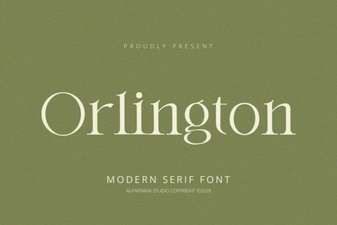
It sits comfortably between classic and contemporary. It’s more relaxed than Twinklea, less ornate than Sugarland, and more versatile than Orlington for mixed-layout work. If you’ve tried Munnes and liked its clarity but wanted something with more expressive range, Rofina is a natural next step.
For designers who regularly switch between branding projects and craft-based printables, having a serif + script combo that shares the same x-height, weight logic, and spacing philosophy saves time. No awkward kerning fixes or mismatched baselines just drag, drop, and adjust as needed.
Who uses Rofina and why it sticks around
We’ve seen it used by:
- Print-on-demand sellers creating greeting cards and wall art (especially for weddings and baby announcements)
- Local bakeries and florists updating their signage and social posts
- Hobbyists making vinyl decals, embroidery patterns, and planner stickers
- Freelancers building starter brand kits for micro-businesses
One reason it stays in rotation? It avoids extremes. It’s not so minimalist that it feels cold, nor so decorative that it limits usage. That flexibility means you can use it across digital and physical formats without reworking layouts.
And if you’re comparing options, Rofina Font stands out for how consistently it performs not just in mockups, but in final output. Test it with light text on dark backgrounds, or reversed out of foil-stamped cardstock. You’ll notice how evenly the serifs hold up, and how the script retains its softness without blurring.
A quick checklist before you download
- ✅ Check that your design software supports OpenType features (to access the stamp style and stylistic alternates)
- ✅ Try pairing Rofina’s serif with a neutral sans-serif (like Montserrat or Poppins) for body text this keeps hierarchy clear without competing voices
- ✅ Avoid stacking both Rofina styles in the same headline use one for the main word, the other for a short descriptor or accent
- ✅ For craft cutting, simplify script letters with tight loops (like lowercase “e” or “g”) by converting to outlines and adjusting nodes slightly if needed
If you already own other serif fonts from Creative Fabrica, try swapping in Rofina for one project this week not to replace, but to see how its rhythm changes the feel of your layout. Sometimes the smallest shift in type pairing makes the biggest difference in perceived warmth and approachability.
Download Now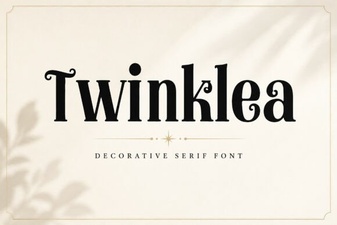 Twinklea Font: Creative Designs & Elegant Typography
 Discover the Orlington Font: Design Inspiration & Uses
 A Vintage Office Font for Modern Projects
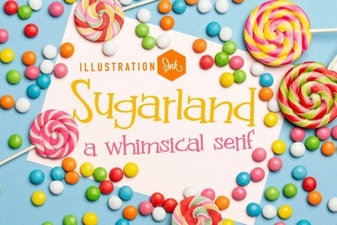 Sugarland Font: Free Download & Creative Uses
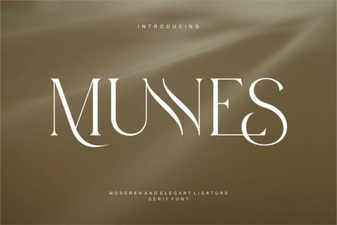 Munnes Font: Enhance Your Designs with Style
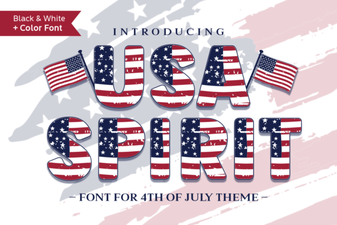 American Spirit Fonts: Design Ideas and Examples