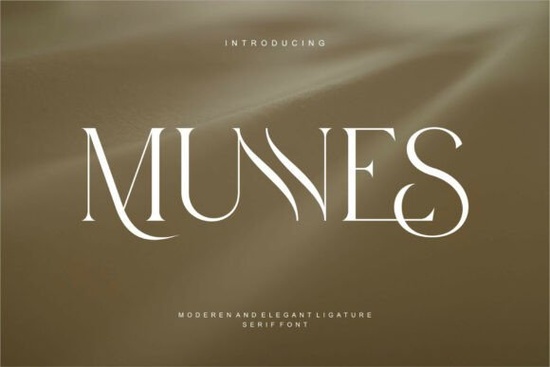
If you're looking for a serif font that feels both classic and quietly contemporary something with personality but not pretension Munnes Font fits neatly into that sweet spot. It’s not overly ornate, nor is it sterile or generic. Instead, it carries the quiet confidence of well-worn book typography, softened just enough for modern use. Whether you’re designing wedding stationery, small-batch product labels, or a boutique café menu, Munnes brings warmth and intention without demanding attention.
What makes Munnes different from other serif fonts?
Many serif fonts lean heavily into one era either strict Victorian formality or mid-century minimalism. Munnes avoids that trap. Its letterforms have subtle irregularities: slight variations in stroke weight, gentle curves on terminals, and carefully tuned spacing that gives text rhythm rather than rigidity. That’s why it works so well for projects where tone matters as much as legibility like hand-bound journals, artisanal soap packaging, or even minimalist blog headers.
You’ll notice details like the soft serifs on lowercase a, e, and r, or the graceful tilt of the uppercase A. These aren’t flourishes for show they help guide the eye smoothly across lines of text. And because it includes standard OpenType features (ligatures, alternate characters, and multilingual support), it adapts gracefully to real-world use not just mockups.
Where does Munnes shine in everyday creative work?
Designers often reach for serif fonts when they want to signal care, craft, or heritage. Munnes delivers that but without feeling dated. Here’s where users report it working especially well:
- Print-on-demand products: Tote bags, greeting cards, and art prints benefit from its balanced weight and clear hierarchy especially at smaller sizes.
- Small business branding: Local bakeries, vintage bookshops, or ceramic studios use it for logos and signage because it reads as approachable yet intentional.
- Digital + print hybrid projects: It holds up well on screen (thanks to generous x-height and open counters) and translates cleanly to letterpress or foil stamping.
- Crafters making SVG files: The clean outlines and consistent stroke contrast make it easy to cut or engrave without jagged edges or thin breaks.
How does it compare to other popular serif fonts on Creative Fabrica?
If you already own or have tried Office Typewritter, you’ll appreciate how Munnes swaps mechanical precision for human nuance. Where Office Typewritter leans into typewriter authenticity, Munnes offers something softer more like ink on laid paper than keys striking ribbon.
It shares some DNA with Twinklea in terms of elegance, but Twinklea has more delicate hairlines and higher contrast making it better suited for display use only. Munnes stays readable at 12 pt and up, so it’s more versatile for body text or multi-line layouts.
Compared to Orlington, which leans romantic and script-adjacent, Munnes keeps things grounded. It doesn’t try to mimic handwriting it respects the structure of traditional serif design while breathing new life into it.
And unlike Sugarland Family (a robust, high-contrast serif family built for impact), Munnes opts for subtlety over drama. That makes it a strong pairing font say, using Sugarland for headlines and Munnes for captions or descriptions.
You might also like Rofina if you enjoy Munnes’ balance. Both prioritize clarity and texture over flash, though Rofina has slightly tighter spacing and a more architectural feel ideal for editorial layouts where tight columns are common.
Real usage tips from designers who use Munnes regularly
One designer told us she uses Munnes exclusively for client projects involving “slow living” brands think linen shops, herbal apothecaries, or slow-fashion labels. Her rule? Pair it with a neutral sans-serif (like Inter or Montserrat) for UI or supporting text, never another serif unless it’s dramatically different in contrast or style.
Another tip: avoid over-kerning. Munnes ships with well-tuned default spacing, so manual adjustments often do more harm than good especially in Cricut or Silhouette software where kerning can behave unpredictably.
For laser cutting or vinyl plotting, export as outlines first. And if you're layering it with textures (like paper grain or subtle noise), keep opacity low Munnes already carries visual weight, so heavy overlays can muddy its clarity.
For reference, you can see how Munnes Font is used across real projects on Creative Fabrica’s site including downloadable mockups and SVG bundles that include ready-to-cut files.
Before you download: a quick checklist
- ✅ You need a serif font that works equally well for print and digital and doesn’t look stiff or overly formal.
- ✅ Your project benefits from gentle personality: think handmade goods, thoughtful branding, or literary-inspired designs.
- ✅ You prefer fonts with built-in OpenType features (ligatures, alternates) but don’t want to spend hours digging through panels to find them.
- ✅ You’re okay with a single-weight family (regular + italic) it’s not a superfamily, but it’s intentionally focused.
If those match your needs, Munnes is worth adding to your working library not as a “one font to rule them all,” but as a reliable, expressive voice you’ll return to again and again.
Get Started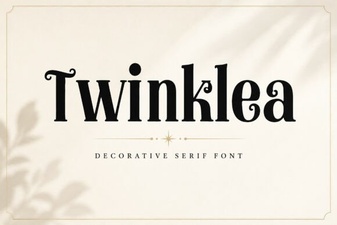 Twinklea Font: Creative Designs & Elegant Typography
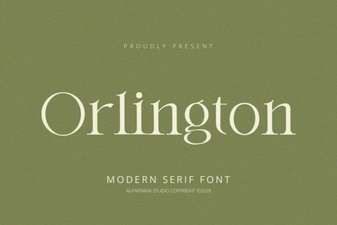 Discover the Orlington Font: Design Inspiration & Uses
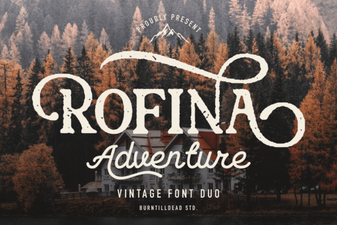 Rofina Font: Creative Typography for Modern Design
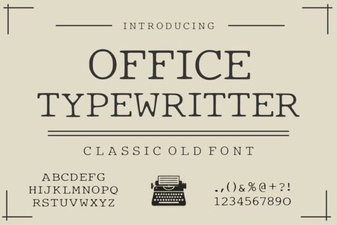 A Vintage Office Font for Modern Projects
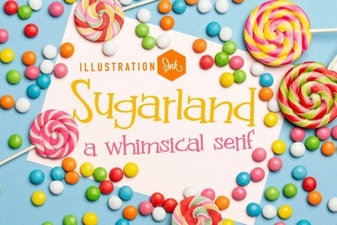 Sugarland Font: Free Download & Creative Uses
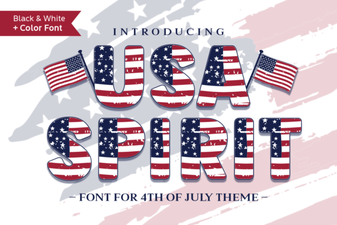 American Spirit Fonts: Design Ideas and Examples