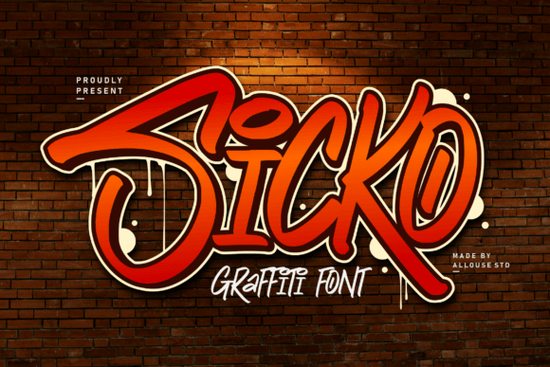
If you're looking for a bold, expressive graffiti-style font that works well on product packaging, social media graphics, or album art, the Sicko Font is a straightforward choice. It’s designed with energetic, hand-drawn strokes and uneven baselines the kind of texture that feels authentic, not over-polished. That makes it especially useful if you’re creating branding for streetwear labels, indie music projects, or limited-run merchandise where personality matters more than perfection.
What kind of projects does Sicko work best for?
Sicko shines in contexts where visual impact comes first. Think t-shirt prints with short, punchy phrases; Instagram story overlays that need to pop against busy backgrounds; or vinyl record sleeves where typography carries as much weight as the music. Because its letters have strong contrast and irregular spacing, it’s less suited for long paragraphs or formal documents but that’s by design. It’s meant to be seen, not read silently.
Small business owners using print-on-demand platforms often tell us they choose Sicko for its instant recognizability. Unlike ultra-thin or overly decorative display fonts, Sicko holds up well even at smaller sizes on mockups say, on a tote bag or enamel pin without losing its character.
How does Sicko compare to other popular display fonts?
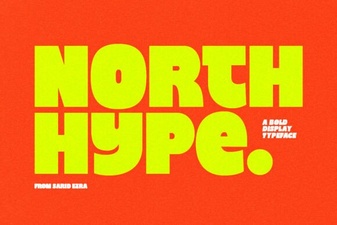
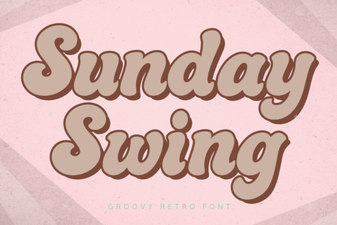
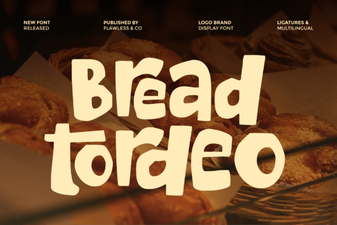
It sits comfortably alongside other high-energy display fonts like Sunday Swing, which leans more into playful brush lettering, or Tordeo, a slightly more structured but still urban-friendly option. If you prefer something with sharper edges and more aggressive angles, North Hype might feel like a natural alternative though it trades some of Sicko’s organic flow for tighter control.
None of these are “better” just different tools for different moods. Sicko stands out when you want rawness and immediacy, not polish. You’ll notice it especially when layering text over photos or textured backgrounds: its thick strokes and open counters keep it legible without needing heavy outlines or shadows.
Is Sicko easy to use in common design tools?
Yes. It’s available in OTF and TTF formats, so it loads smoothly in Canva, Adobe Photoshop, Illustrator, Affinity Designer, Cricut Design Space, and Silhouette Studio. No extra plugins or converters needed. Just install it like any system font, and it appears in your font menu.
One practical tip: because Sicko includes stylistic alternates (like alternate ‘a’, ‘g’, and ‘t’ glyphs), try toggling OpenType features in Illustrator or Affinity to mix variations within a single word. This adds subtle visual rhythm helpful if you’re designing logos or monograms where repetition can feel flat.
Who typically uses Sicko and why?
We hear from three main groups:
- Print-on-demand sellers who need fonts that convert well on previews Sicko’s contrast helps thumbnails stand out in crowded marketplaces.
- Indie musicians and podcasters building cohesive visual identities across Bandcamp, Spotify, and Instagram it pairs easily with gritty photo filters or collage layouts.
- Crafters and hobbyists making custom stickers, greeting cards, or DIY wall art its informal energy fits handmade aesthetics without feeling forced.
It’s also popular among educators designing classroom posters or event flyers for youth programs. The style feels approachable and energetic, not corporate or stiff.
Where can you see real examples of Sicko in use?
You’ll find user-submitted mockups and project files on Creative Fabrica’s page for Sicko Font, including layered PSD files and SVG cut files for craft machines. There’s also a growing library of compatible textures, halftone overlays, and grunge brushes many tagged under the same display fonts category that complement Sicko’s aesthetic without competing with it.
For reference, designers sometimes pair Sicko with clean sans-serifs like Montserrat or Inter for body text letting the font carry the voice while keeping supporting info readable. That combination works especially well for zines, event posters, or small-batch packaging where hierarchy matters.
Before downloading or purchasing: Check the license terms carefully. The standard license covers personal and commercial use, including POD, but excludes resale of the font file itself or use in logo templates sold on marketplaces like Etsy or Creative Market. If you’re building a brand identity for a client, confirm whether an extended license is needed most users won’t, but agencies sometimes do.
Quick checklist before using Sicko in your next project:
- Install both OTF and TTF versions to ensure compatibility across tools.
- Test how it renders at 3–4 different sizes on your intended background (e.g., a photo, gradient, or texture).
- Try swapping one or two letters with alternates from the glyph panel for visual interest.
- Avoid pairing it with other highly stylized fonts one strong voice is enough.
- Remember: Sicko isn’t meant for fine print or accessibility-critical text. Keep body copy and captions in a simpler, more legible typeface.
 North Hype Font: Modern Design Projects & Tips
 Sunday Swing Font: Style Your Retro Projects
 Tordeo Font: Free Sans Serif for Creative Projects
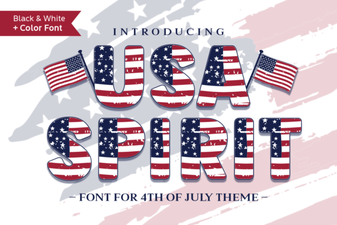 American Spirit Fonts: Design Ideas and Examples
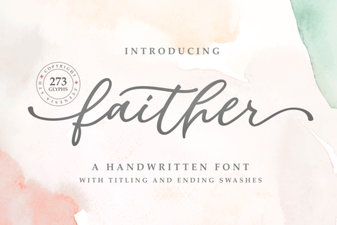 Faither: a Versatile Font for Creative Projects
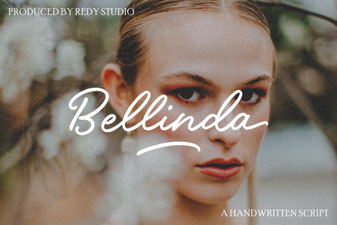 Bellinda: Elegant Modern Calligraphy for Digital Projects